Live engine migration
The public estate moved from the legacy builder to the new Astro platform.
XO3D's main website was rebuilt from a legacy WordPress and Elementor estate into a fast, structured Astro platform. The transformation combined premium creative direction, large-scale content architecture, migration controls, technical SEO, GEO and AI-search foundations, consent-aware analytics and clearer journeys from expertise to enquiry. The intended operating context is Large public route estate across services, proof, research and conversion. Thomas's role was Founder, creative director and digital-system lead. The case follows the product from its main operating problem through Live engine migration, Premium creative direction, Large-estate cleanup, then connects each interface to a working feature and control. The evidence comes from live migration, builds, route qa, analytics and search checks. It also records what failed, what changed and how privacy, evidence or approval boundaries are handled. The limit is explicit: no attributed ranking, traffic or lead-lift claim yet.
A direct account of the operating constraint, the product decision and the limits of the evidence.
The legacy estate held useful history but also route sprawl, duplicate copy, inconsistent entity facts and weak separation between commercial pages and informational content. The visual work needed full-frame space, while the written estate needed enough structure for buyers, search systems and AI answers.
A migration at this scale can create quiet damage: old URLs disappear, middleware changes redirect behaviour, analytics continuity breaks, video slows first paint and internal links point at the wrong version of the offer. A clean new home page would not solve those estate-level risks.
The rebuild treated the site as an authority system. Content collections define reusable page types. Redirect and canonical rules preserve intended routes. Commercial, research and proof journeys have distinct jobs. Media, consent, analytics and cross-property links are part of the architecture rather than finishing tasks.
| Primary job | Make a director-led product CGI studio understandable, credible and easy to contact. |
|---|---|
| Core estate | Services, industries, use cases, case studies, guides, research, team, reviews and contact. |
| Experience | Full-frame work, autoplay hero film, showreel, clear commercial spines and restrained editorial copy. |
| Search layer | Structured content, redirects, canonicals, schema, sitemaps, feeds and AI-crawler guidance. |
| Ecosystem | Main studio journeys connect to Labs tools and related products without confusing their roles. |
These are observed properties of the working system. They are not claimed percentages, revenue attribution or a guarantee of future performance.
The public estate moved from the legacy builder to the new Astro platform.
Self-hosted type, full-frame work, restrained motion and a coherent showreel experience now carry the studio identity.
Legacy routes, stale copy, duplicate intent and entity inconsistencies were consolidated through the migration.
Structured pages, schema, sitemaps, feeds, LLM context and crawler controls are live.
Main and Labs now link in both directions through relevant buyer and tool journeys.
The platform and migration are proven; ranking and lead improvement have not been attributed yet.
Every image preserves the interface purpose and control logic while replacing live people, projects, records and values with staged data.
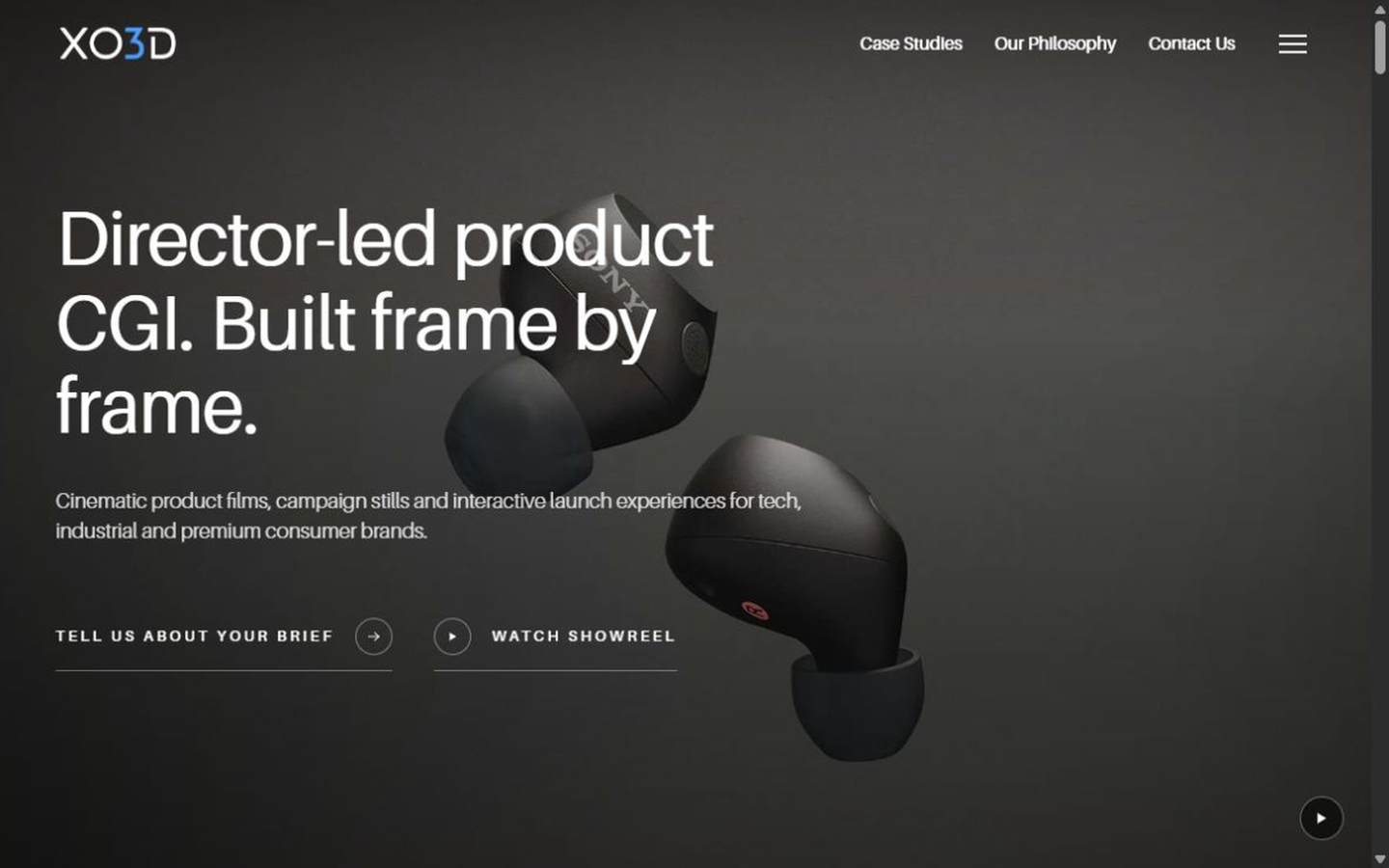
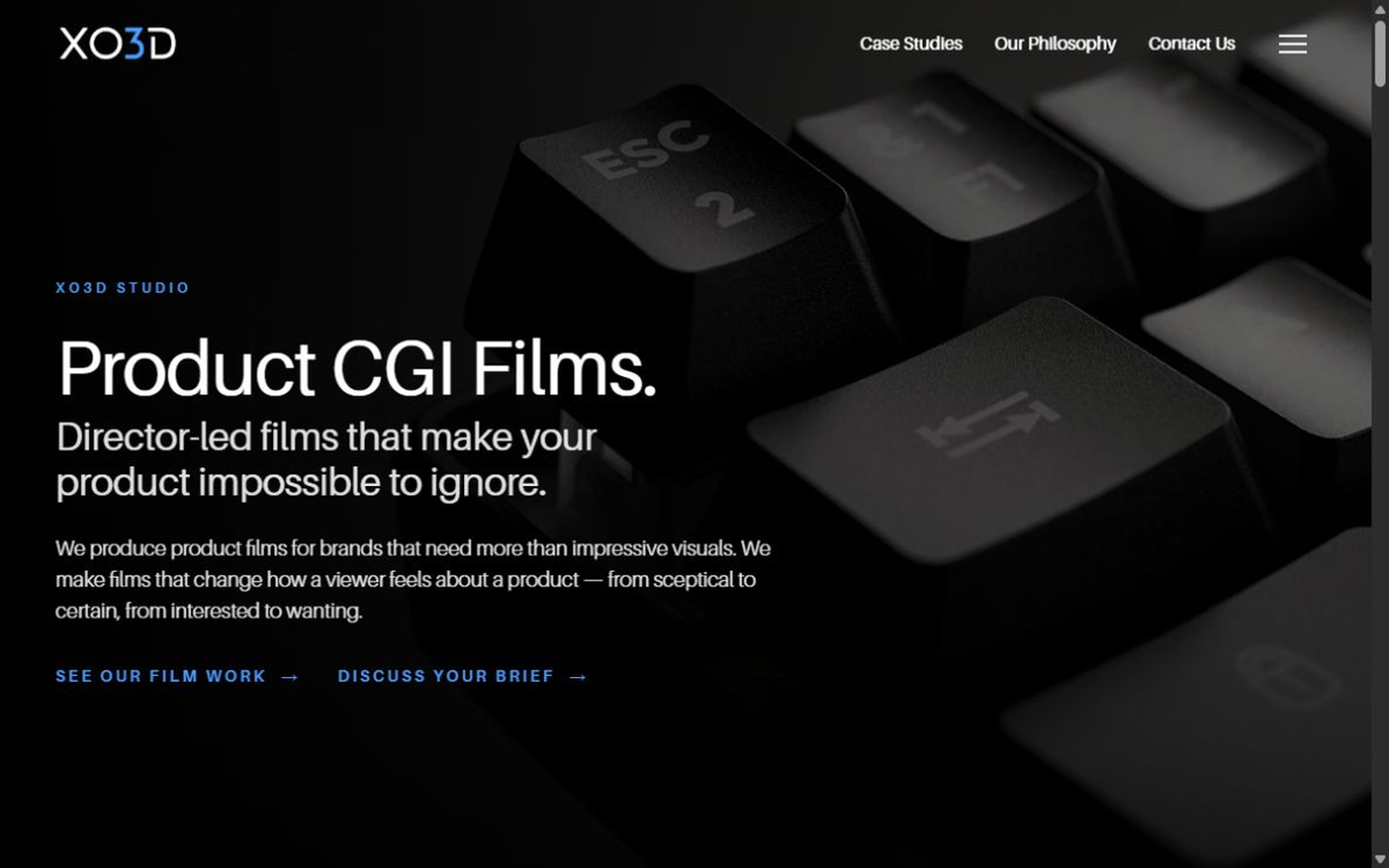
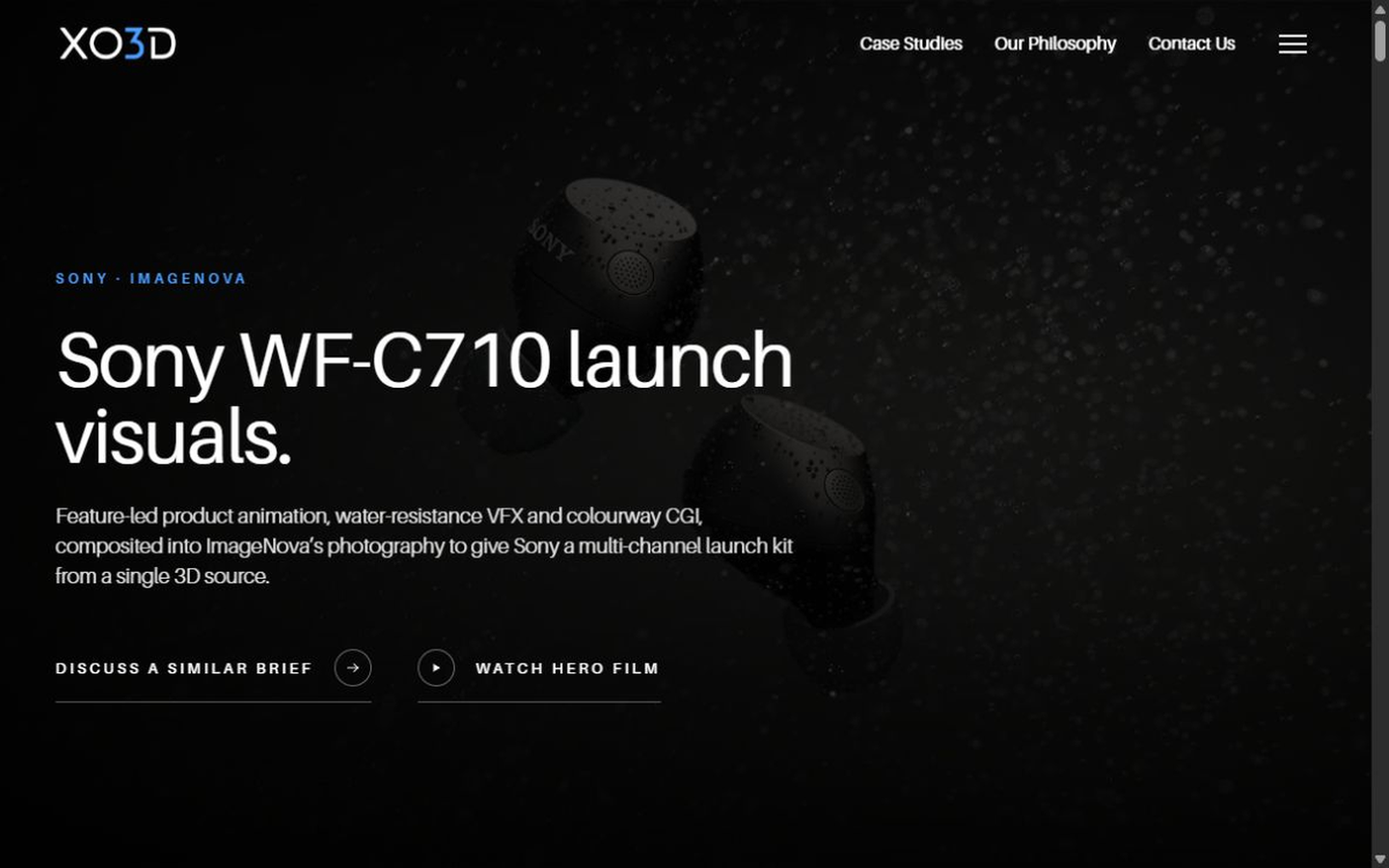
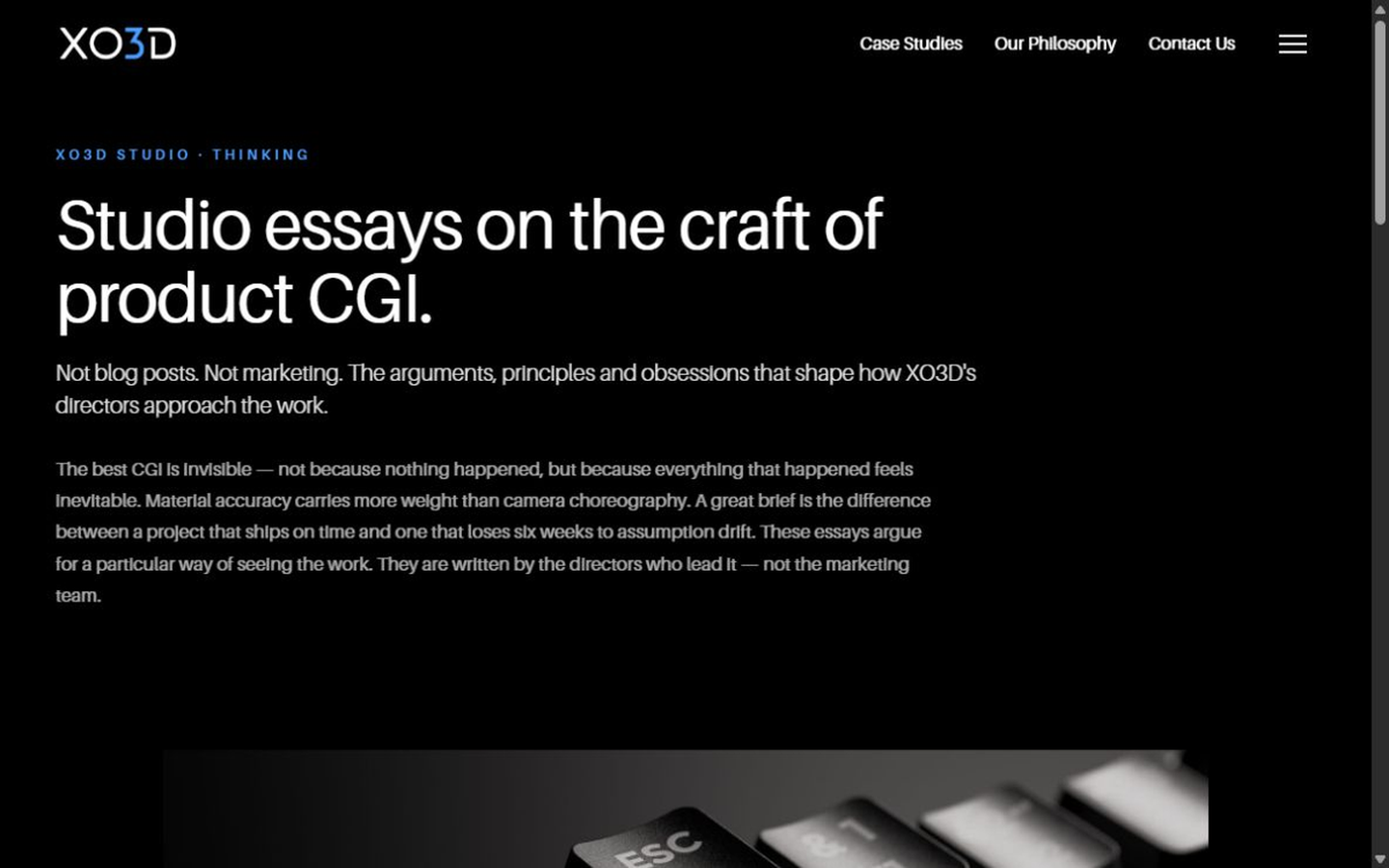
Each entry links to the exact view it describes. Product captures and explanatory diagrams retain their own evidence labels.
A released-style product frame demonstrates the premium public direction without using private work.
A public-safe page connects service, process, proof and a clear next action.
The direct public case-study route shows the real evidence structure and released work.
The public editorial hub extends the studio's authority beyond the work gallery.
The public case-study index connects the studio's released work and evidence routes.
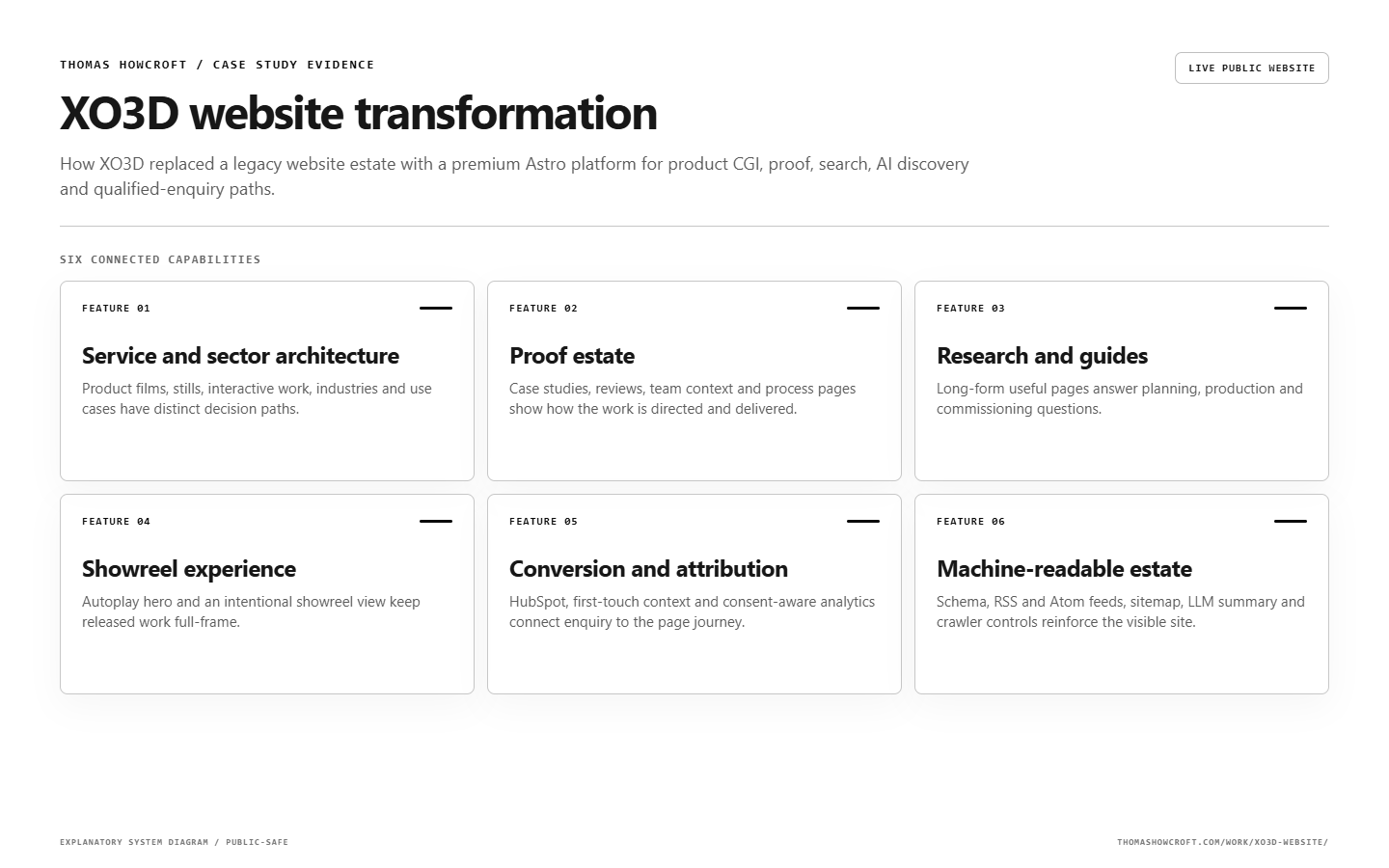
A visual summary connects the main product capabilities to the decisions, controls and user outcomes they support.
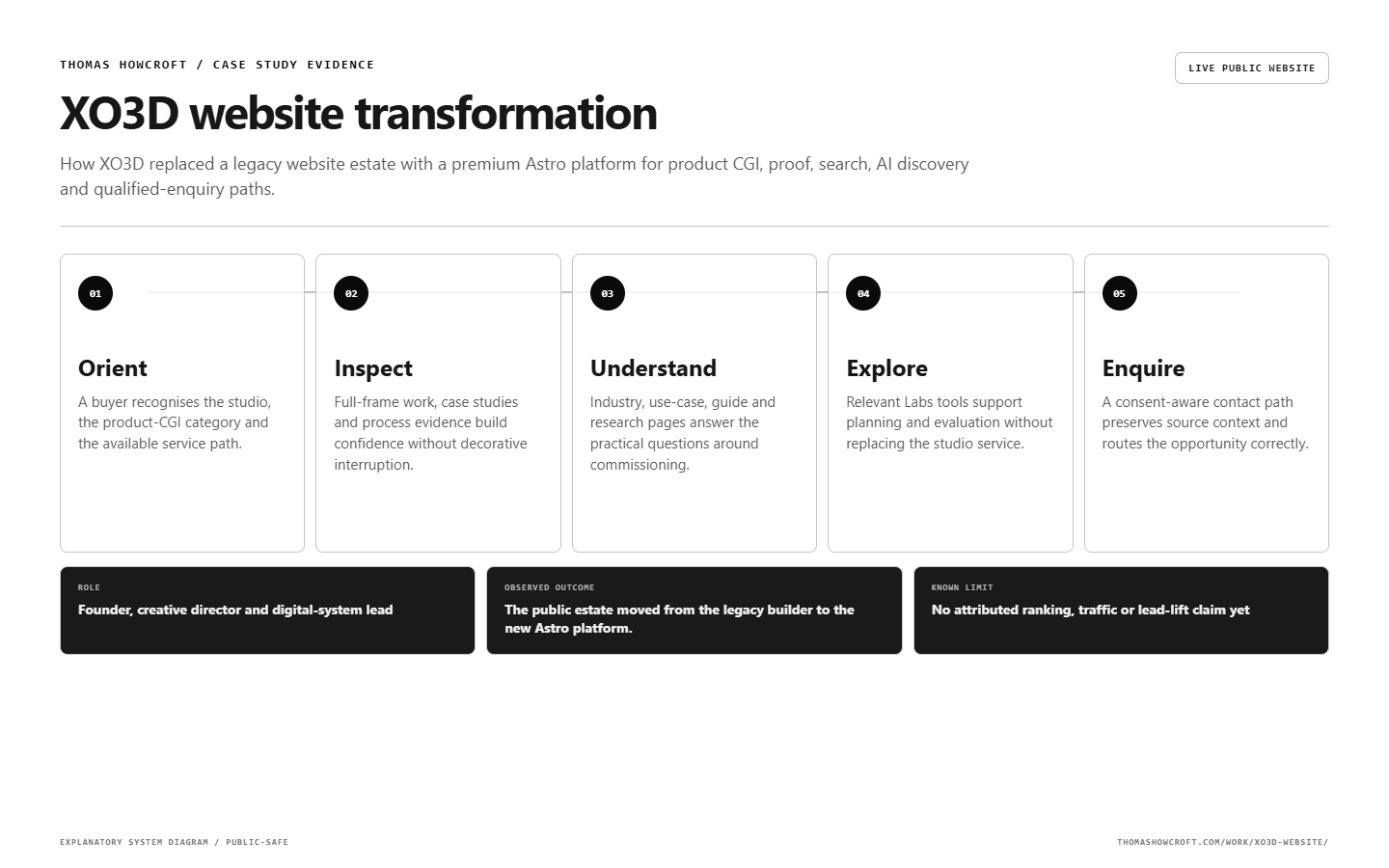
The complete working sequence shows how information moves from the first input to a checked and reviewable outcome.
The visible dashboard is only the decision surface. Context, data, permissions, review and learning determine whether it can be trusted.
Typography, framing, motion and image rules keep the product work primary.
Services, industries, use cases, proof, guides and research use clear page contracts.
Redirects, canonicals, route ownership and middleware tests preserve intended public destinations.
Metadata, schema, internal links, feeds, sitemaps and answer-first content make expertise extractable.
Relevant proof, contact flow, attribution and consent-aware measurement connect page intent to enquiry.
A useful workflow names the input, owner, check, approval boundary and proof that closes the loop.
A buyer recognises the studio, the product-CGI category and the available service path.
Full-frame work, case studies and process evidence build confidence without decorative interruption.
Industry, use-case, guide and research pages answer the practical questions around commissioning.
Relevant Labs tools support planning and evaluation without replacing the studio service.
A consent-aware contact path preserves source context and routes the opportunity correctly.
Each feature exists because it changes a decision, reduces unsafe ambiguity or makes a failure easier to see.
Product films, stills, interactive work, industries and use cases have distinct decision paths.
Case studies, reviews, team context and process pages show how the work is directed and delivered.
Long-form useful pages answer planning, production and commissioning questions.
Autoplay hero and an intentional showreel view keep released work full-frame.
HubSpot, first-touch context and consent-aware analytics connect enquiry to the page journey.
Schema, RSS and Atom feeds, sitemap, LLM summary and crawler controls reinforce the visible site.
The strongest evidence in an operating system is often the failure behaviour. These issues became design constraints and regression checks.
Years of builder pages created overlapping and inconsistent destinations.
Map route intent, consolidate duplication and preserve important legacy URLs through explicit redirects.
Informational and buyer pages could compete or repeat the same broad message.
Give each template a primary job and build a clear internal commercial spine.
Premium motion and showreel media could slow or destabilise the first experience.
Control loading, modal playback, responsive media and metadata as product requirements.
A redirect could behave differently at production boundaries than in a local build.
Test the final host behaviour and treat redirects as observable routes, not configuration assumptions.
Old copy disagreed about facts or described the studio in several ways.
Create canonical entity language and propagate it through visible copy and structured data.
A public case study should make it easy to see what is working, what remains internal and what has not been proven.
Every visual is labelled as a direct public product capture or an actual product capture with generic data. This is evidence of design and operating capability, not a promise of rankings, revenue, leads, productivity or a client outcome.
Strategy, interface, governance and implementation are treated as one operating problem rather than separate deliverables.
Each link adds a different layer of first-hand evidence rather than repeating the same page under another keyword.
Practical answers about the build, its use and its limits.
The public estate moved from a legacy WordPress and Elementor engine to a structured Astro platform.
At the 22 July 2026 verification, it contained hundreds of crawlable routes across services, proof, guides, research and conversion.
No. It proves the platform, migration and discovery foundations, not attributed commercial lift.
No. Public-safe or staged visual material is used in this case study.
A buyer-journey, search and measurement audit followed by a prioritised build brief. Handover: the findings, a prioritised plan and the evidence needed to decide the next step. Scope and schedule are agreed after the fit conversation.
Thomas can connect creative direction, information architecture, migration, search and conversion without losing the evidence already earned.